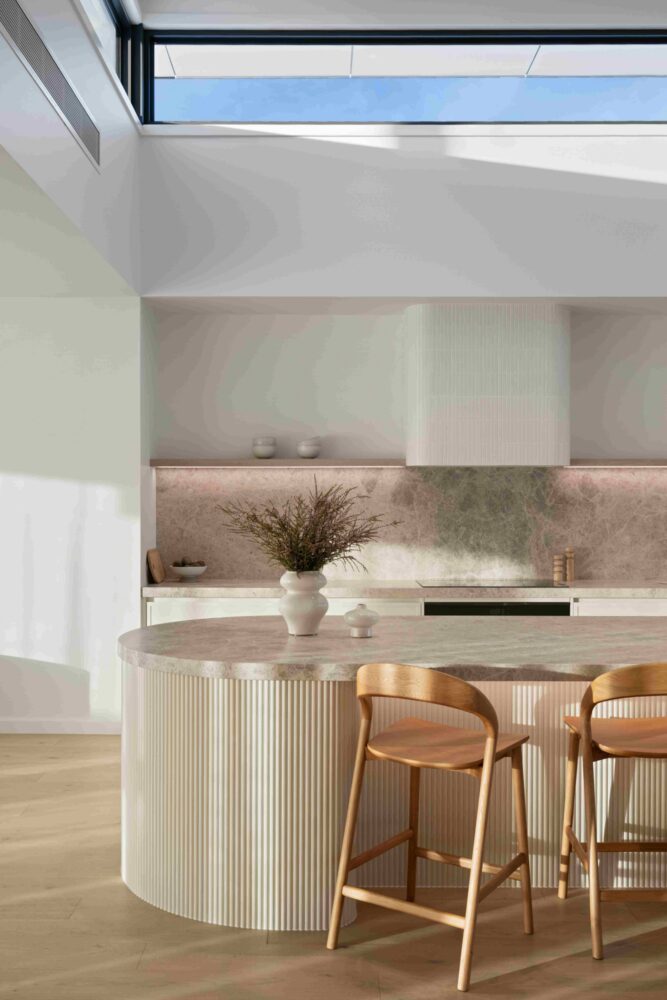
For many years, surface selections were largely driven by practicality. Materials were chosen to serve a function, with aesthetics often becoming a secondary consideration.
Today, the conversation is different.
Stone is no longer viewed solely as a benchtop material. Increasingly, it is being used as a defining architectural element, influencing how spaces feel, function and connect with the people who use them.
As we look towards 2027, several key shifts are emerging across residential and commercial design. While Australian projects often take inspiration from Europe, these trends are being interpreted in ways that reflect our climate, lifestyle and approach to living.
Spaces Are Becoming More Expressive
For many years, minimalism was characterised by restraint. White surfaces, simple forms and neutral palettes dominated the design landscape.
While clean and timeless interiors remain popular, there is a growing desire for homes and commercial spaces to feel more personal and distinctive.
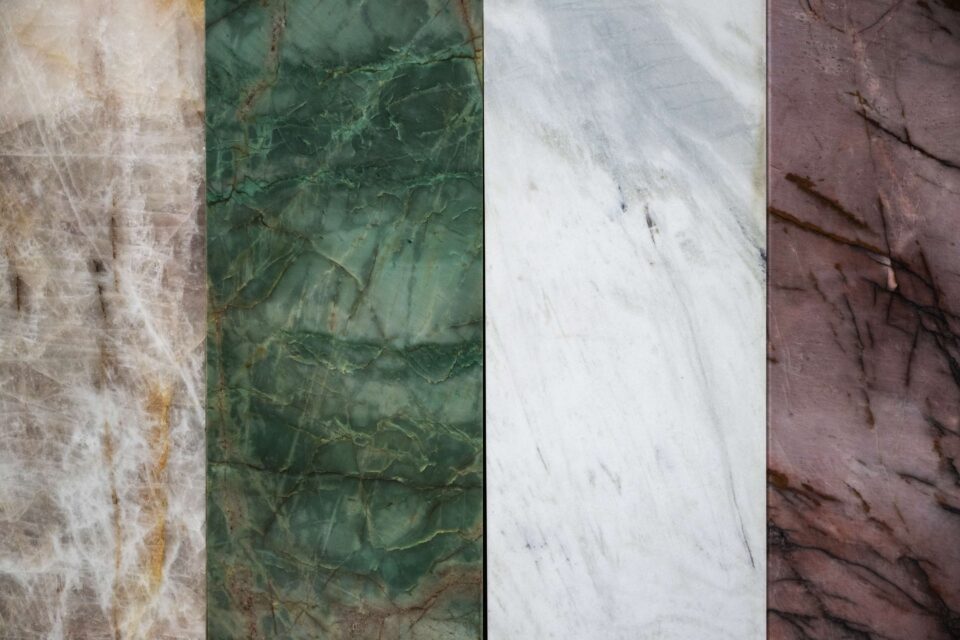
We’re seeing increased demand for natural stones with stronger movement, richer colour variation and greater visual depth. Materials that were once considered bold are now becoming focal points within kitchens, bathrooms and living spaces.
Rather than blending quietly into the background, stone is increasingly becoming the feature.
Natural Materials Continue to Lead
The desire to create spaces that feel authentic and connected to nature continues to influence design decisions.
Natural stone, timber, metal and tactile finishes are increasingly being selected over highly uniform or synthetic materials. Clients are seeking materials with character, variation and a sense of permanence.
This shift is particularly evident in natural stone, where movement, veining and organic characteristics are now celebrated rather than minimised.
The individuality of the material has become part of its appeal.
Texture Is Becoming More Important
While colour often receives the most attention, texture is emerging as one of the most influential design considerations.
Leathered granites, brushed finishes, textured porcelains and honed natural stones are all seeing increased interest across both residential and commercial projects.
These finishes introduce another layer of visual interest while creating surfaces that feel softer and more tactile.
As interiors move away from highly polished and reflective finishes, texture is becoming an important tool for adding warmth and depth.
Stone Is Moving Beyond The Kitchen
Perhaps one of the most significant shifts we noticed was the way stone is now being used throughout entire homes, rather than being confined to the kitchen.
Kitchen benchtops remain a core application, however designers and homeowners are increasingly extending the same material across splashbacks, fireplaces, vanities, shelving, staircases and commercial spaces to create a more cohesive look.
We’re also seeing stone incorporated into furniture and styling, with stone-topped side tables, console tables, mantels and even natural stone displayed as artwork becoming popular design features. Rather than being a single surface, stone is becoming a defining material that connects each space throughout the home.
Curves Continue To Influence Design
The strong architectural forms that defined previous decades are gradually being softened.
Curved islands, rounded furniture, arched details and sculptural forms continue to shape contemporary interiors.
This movement is influencing stone fabrication, with increasing demand for curved cladding, rounded profiles and custom applications that move beyond traditional straight-line construction.
As fabrication technology continues to evolve, designers have greater freedom to explore forms that were once difficult to achieve.
Wellness Is Influencing Material Selection
The modern home is increasingly expected to function as a place of retreat.
As daily life becomes more connected and technology becomes more integrated, there is growing emphasis on creating environments that feel calm, balanced and restorative.
Material selection plays a significant role in achieving this outcome.
Natural textures, warmer colour palettes and authentic materials are helping shape spaces that feel less transactional and more human.
The most successful interiors are no longer focused solely on how they look, but on how they make people feel.
Performance Still Matters
While aesthetics continue to evolve, performance remains an important consideration.
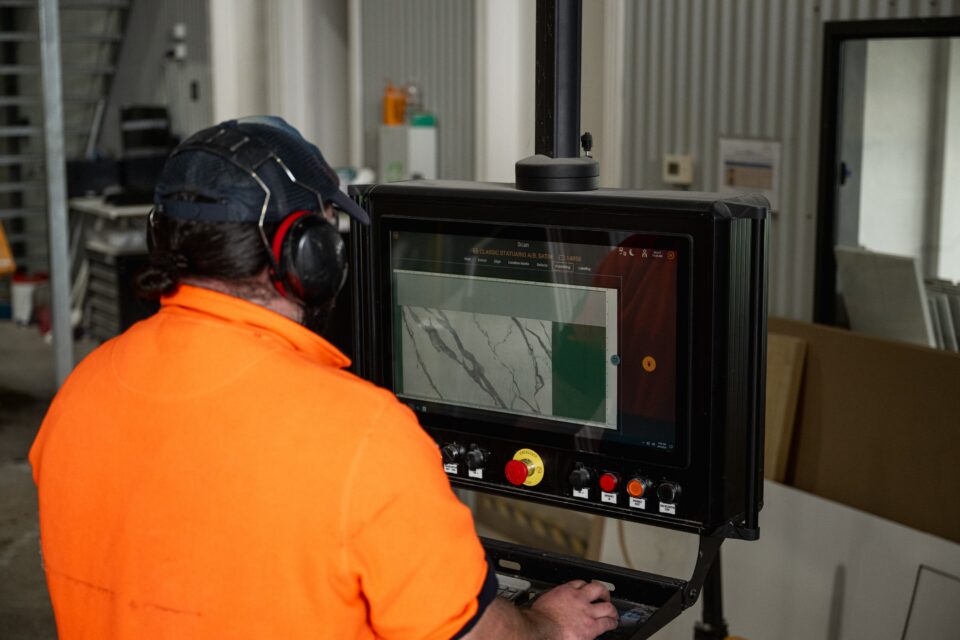
The rise of advanced porcelain surfaces, crystalline silica-free engineered stone and innovative fabrication technologies means clients no longer need to compromise between appearance and practicality.
Materials are expected to perform, but they are also expected to contribute to the overall experience of a space.
Function is no longer the objective. It is the starting point.
Looking Ahead
The most interesting trend for 2027 is not a particular colour, finish or material.
It is the growing focus on creating spaces with greater intent.
Materials are being selected not only for their appearance, but for the role they play within the overall experience of a project. They contribute to atmosphere, functionality, wellbeing and identity.
Clients are becoming more informed, more design-conscious and more willing to explore materials and applications beyond the conventional. The result is spaces that feel more personal, more expressive and ultimately more connected to the people who use them.
At AMU Stone, we’re excited to see where this evolution leads and to continue helping clients create spaces that reflect not only how they live, but who they are.
Natural Stone Advice & Inspiration
Choose The Right Stone With Confidence
Explore expert advice, material guides & design inspiration to better understand natural stone, compare your options & make a more informed choice for your space.