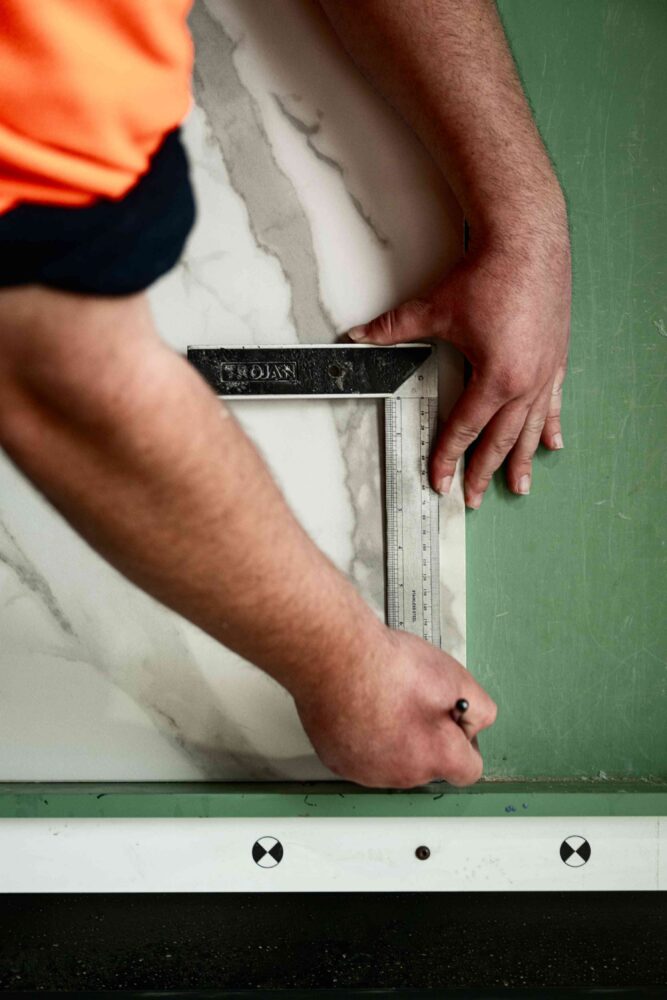
For many clients, selecting a stone slab is the exciting part. You’ve found the material, chosen the colour and can start to picture it within your home or project.
What happens next is often less visible, but it plays an equally important role in the final result.
From slab selection through to installation, every stage influences how the finished surface will look, perform and integrate within the space. At AMU Stone, the process combines material knowledge, digital technology, fabrication expertise and craftsmanship to ensure the original design intent is carried through to completion.
Step 1: Material Selection
Every project begins with the material itself.
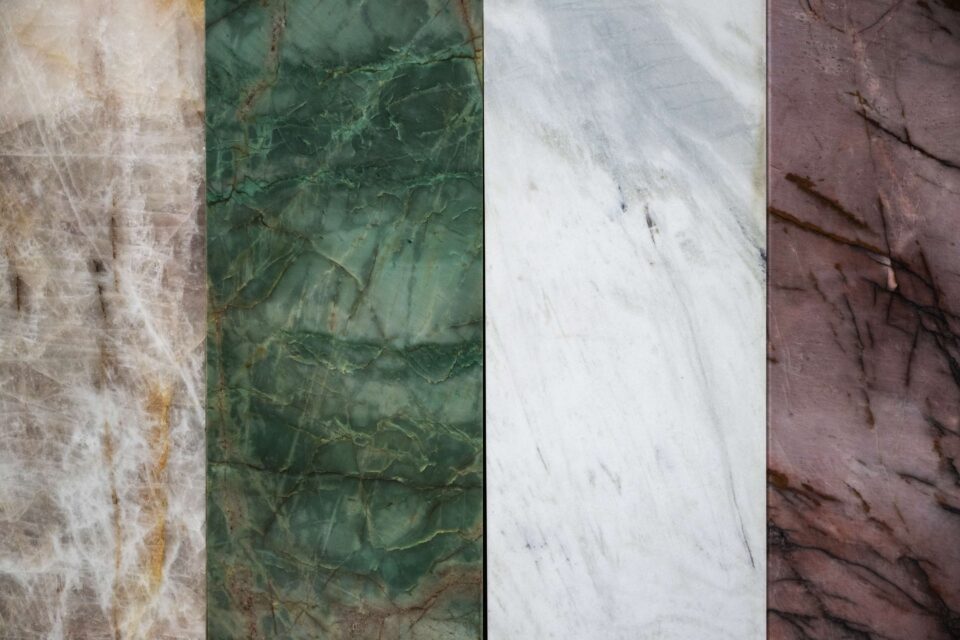
Whether selecting natural stone, porcelain or engineered stone, consideration extends beyond colour alone. Veining, movement, texture, finish and slab size all influence how the material will ultimately be used.
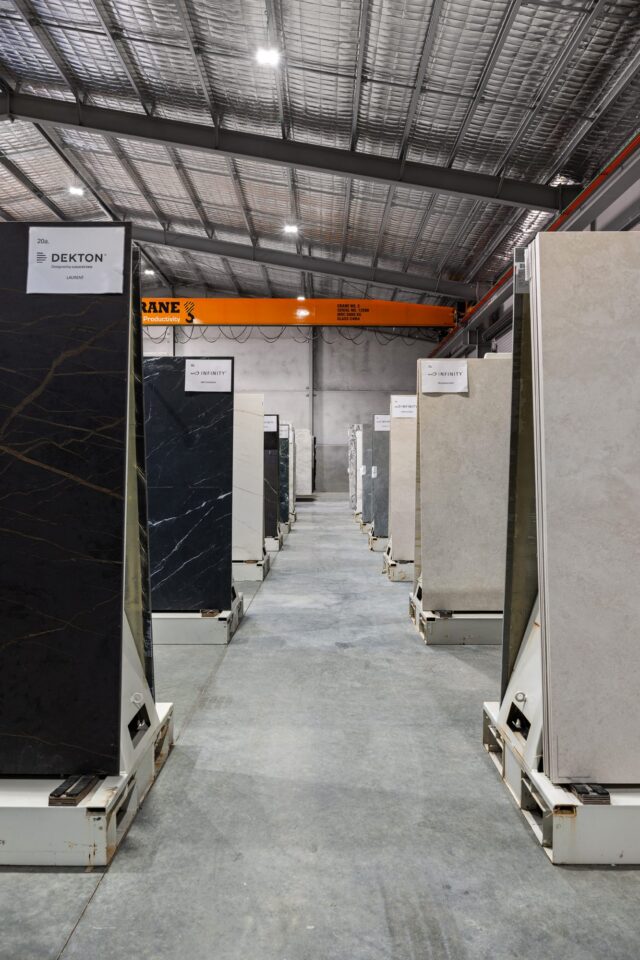
For natural stone in particular, viewing full slabs allows clients, designers and builders to understand the character of the material and identify the areas they would like featured within the finished project.
The decisions made at this stage help guide every step that follows.
Step 2: Digital Templating
Once cabinetry and relevant site works are complete, precise site measurements are captured.
Using digital templating technology, exact dimensions are recorded to ensure every surface is manufactured to suit the project requirements. This process allows for a high degree of accuracy and provides the foundation for detailed slab layout planning.
Accurate templating is particularly important when working with large-format surfaces, curved elements, waterfall ends and projects where vein continuity is a key design consideration.
Step 3: Slab Layout and Planning
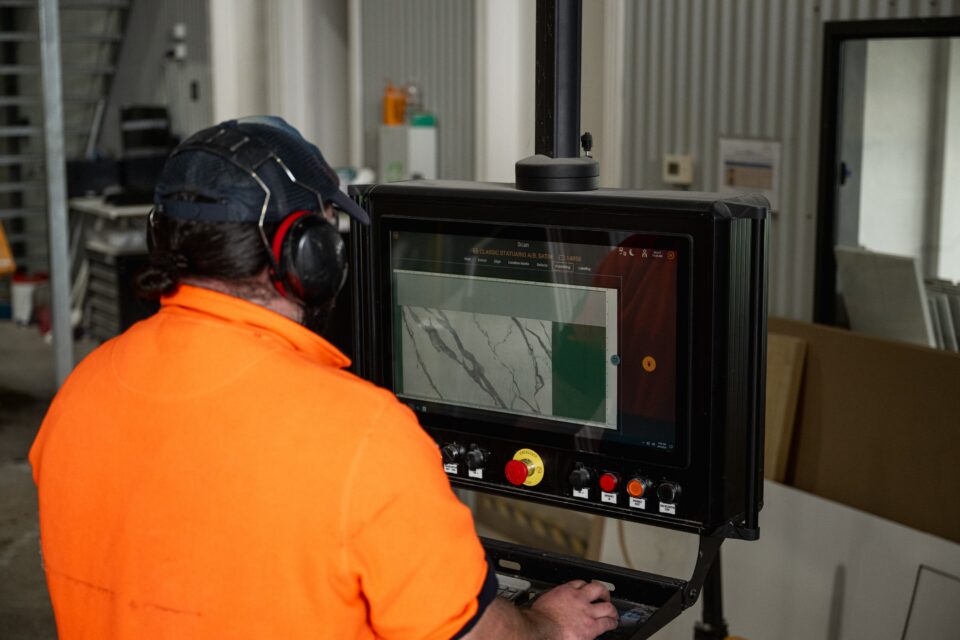
Before any cutting takes place, the project is digitally mapped onto the slab.
This stage determines how the material will be utilised and allows consideration of vein direction, bookmatching opportunities, joins, finished edges and material optimisation.
For heavily veined natural stones, thoughtful slab layout can significantly influence the finished appearance. The aim is not simply to manufacture components, but to create a result that feels intentional and cohesive within the space.
This planning stage is one of the most important parts of the process and is often where the difference between a standard outcome and an exceptional one is achieved.
Step 4: Precision Fabrication
Once layouts are approved, fabrication begins.
Using advanced CNC machinery, waterjet technology and specialised stone processing equipment, each component is manufactured to precise specifications.
Cut-outs, mitred edges, integrated details, curved components and custom features are all produced during this stage.
While technology delivers accuracy and consistency, skilled stonemasonry remains essential. Material knowledge and hands-on craftsmanship continue to play a critical role throughout the fabrication process.
Step 5: Finishing and Quality Control
Before leaving the factory, every piece undergoes detailed inspection.
Edges, profiles, joins, cut-outs and surface finishes are checked to ensure they meet project requirements and AMU Stone’s quality standards.
Step 6: Installation
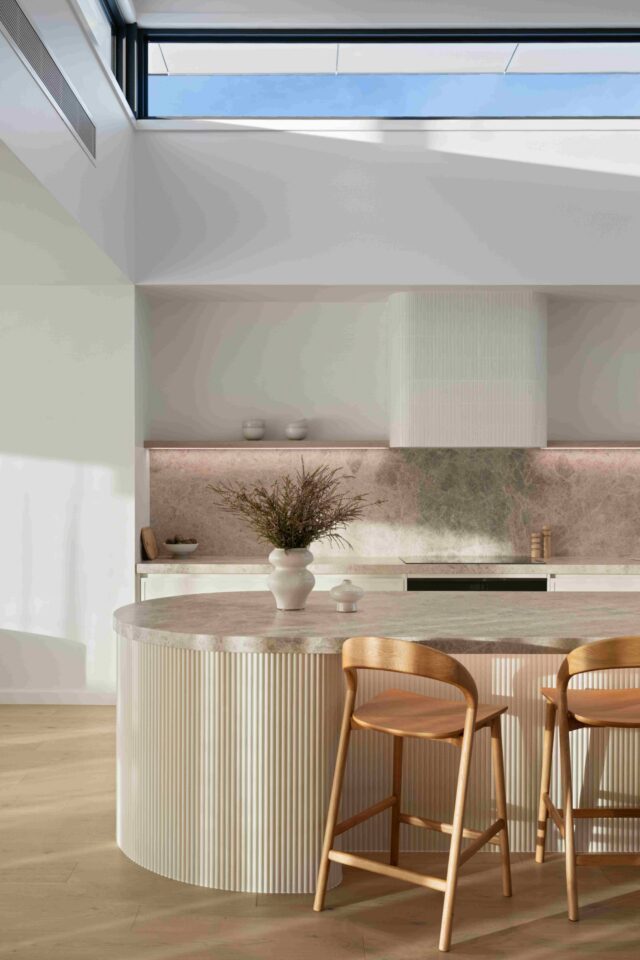
Installation is the final stage where all of the planning, design and manufacturing come together.
Each component is carefully transported, positioned and installed by experienced tradespeople. Depending on the project, this may include kitchen benchtops, splashbacks, bathroom vanities, fireplaces, wall cladding, furniture pieces or commercial applications.
Attention to detail during installation is essential to achieving a clean, precise finish and ensuring all elements align as intended.
More Than Just Stone
While the finished surface may appear effortless, the journey from slab selection to installation involves considerable planning, technology and expertise.
At AMU Stone, every project passes through a carefully managed process designed to protect the integrity of the material and deliver a result that reflects the original design vision.
Whether it’s a kitchen benchtop, custom furniture piece, bathroom vanity or large-scale commercial project, the outcome is shaped long before the stone arrives on site.
Natural Stone Advice & Inspiration
Choose The Right Stone With Confidence
Explore expert advice, material guides & design inspiration to better understand natural stone, compare your options & make a more informed choice for your space.