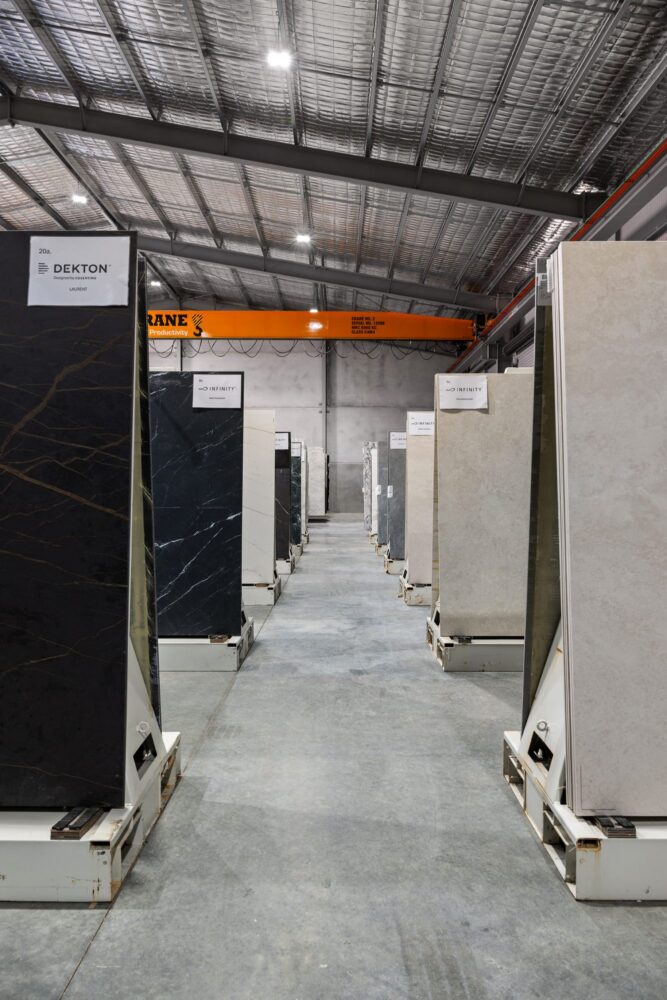
Selecting a surface material is one of the most important decisions in any residential or commercial project. Beyond colour and appearance, the material you choose will influence how a space performs, how it ages and how it is experienced every day.
Natural stone, porcelain and engineered stone each offer unique advantages. Rather than there being a single “best” option, the right choice depends on the priorities of the project, the intended application and the way the space will be used.
At AMU Stone, we work with all three materials and guide clients through the selection process based on performance, aesthetics and long-term suitability.
Natural Stone
There is a reason natural stone has remained one of the most sought-after building materials for centuries.
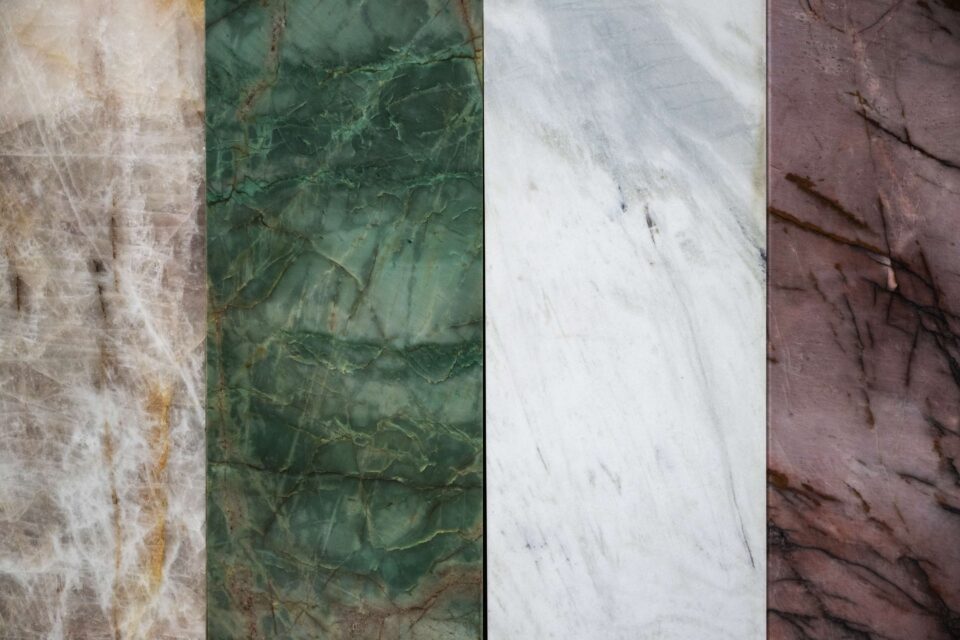
Formed over millions of years, every slab is unique. Variations in colour, veining, movement and texture are inherent to the material and contribute to its individuality. No two slabs are identical, meaning no two projects will ever be exactly the same.
Materials such as marble, quartzite, granite, limestone and dolomite each possess their own characteristics, creating opportunities for a wide range of design outcomes. From subtle and understated to bold and expressive, natural stone offers a level of authenticity that cannot be replicated.
For many homeowners, designers and architects, natural stone is selected not simply for its appearance, but for the character it brings to a space. It creates focal points, introduces depth and delivers a sense of permanence that only genuine natural materials can achieve.
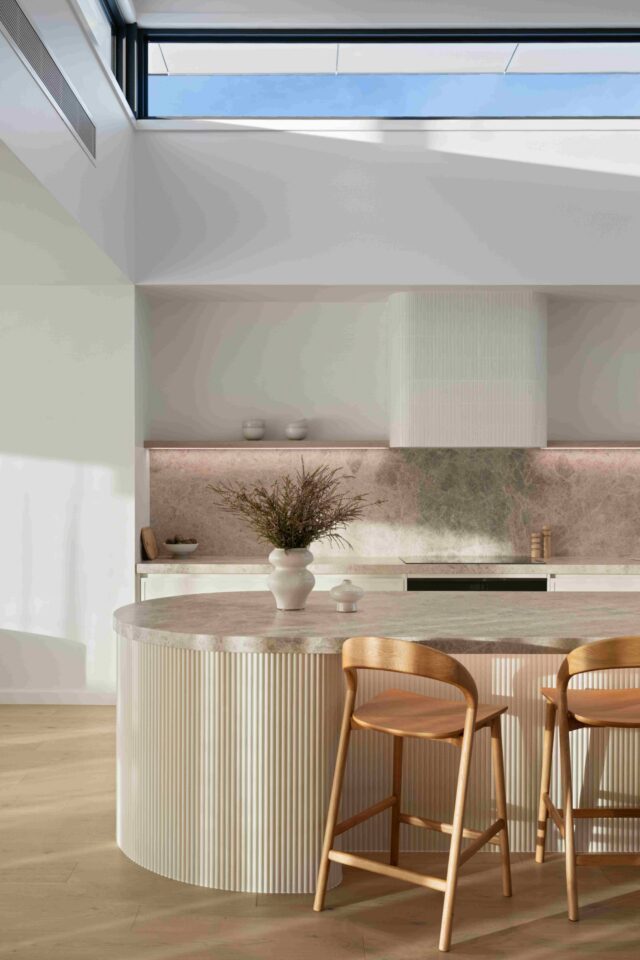
Natural stone is particularly well suited to kitchen benchtops, bathroom vanities, fireplaces, feature walls, furniture pieces and architectural applications where materiality plays an important role in the overall design.
Porcelain
Porcelain has become one of the fastest-growing surface materials in residential and commercial design, and for good reason.
Manufactured using advanced technology and fired at extremely high temperatures, porcelain offers exceptional durability while replicating the appearance of natural
stone, concrete, metal and other finishes. The result is a highly versatile surface that combines aesthetics with technical performance.
Its non-porous nature means it is highly resistant to staining, while its resistance to scratching, heat and UV exposure makes it suitable for a wide range of interior and exterior applications.
For busy family homes, these characteristics are particularly appealing. Kitchen benchtops, splashbacks and high-use areas are subjected to constant daily wear, and porcelain provides a durable, low-maintenance solution without compromising on design.
Porcelain has also become increasingly popular in commercial environments where longevity, ease of maintenance and consistency are key considerations.
For clients seeking a material that performs exceptionally well under everyday use, porcelain is often one of the most practical choices available.
Engineered Stone
Modern engineered stone offers a balance of performance, consistency and value.
Available in a wide range of colours and patterns, engineered stone provides a controlled and uniform appearance across large surfaces and multiple slabs. This consistency can be particularly beneficial in projects where a cohesive aesthetic is desired.
Following changes to Australian regulations, the industry has transitioned towards crystalline silica-free engineered stone products, offering safer alternatives while maintaining the durability and appearance that have made engineered stone a popular choice for many years.
Engineered stone is often selected for kitchen benchtops, bathroom vanities, laundries and commercial applications where practicality and budget are important considerations.
While every project is different, engineered stone can often provide a more cost-effective alternative to natural stone, making it an attractive option for clients seeking a premium appearance while working within specific budget parameters.
Its durability, low-maintenance requirements and design flexibility continue to make it a popular material across both residential and commercial projects.
Choosing the Right Material
The most successful projects begin by considering how a space will function before selecting the material.
For those drawn to individuality, natural variation and the authenticity of a material formed by nature, natural stone often becomes the preferred choice.
Where durability, ease of maintenance and everyday practicality are priorities, porcelain offers exceptional performance and is particularly well suited to busy family homes.
For projects where consistency, value and practicality are key considerations, engineered stone can provide an effective and economical solution.
There is no universal answer, and often the best outcomes are achieved by understanding the strengths of each material and applying them appropriately.
Expert Guidance From Selection Through to Installation
At AMU Stone, material selection is about more than choosing a colour.
Our team works closely with homeowners, builders, architects and designers to understand how a space will be used, what performance requirements need to be considered and how the material can contribute to the overall design intent.
Whether you’re considering natural stone, porcelain or engineered stone, selecting the right surface is the foundation of a successful project.
Natural Stone Advice & Inspiration
Choose The Right Stone With Confidence
Explore expert advice, material guides & design inspiration to better understand natural stone, compare your options & make a more informed choice for your space.